HMO Maintenance in Southampton: A Practical Guide for Landlords and Investors
hmo maintenance southampton is the steady work that keeps a shared house safe, pleasant to live in and ready for inspection at any time. A house in multiple occupation is used hard. Several people cook, shower, wash clothes and come and go at all hours, so wear arrives faster than it does in a single family home. Taps drip, grout cracks, paint scuffs and boilers work long days through the colder months. None of that is a sign of failure. It is simply the normal life of a busy house, and it asks for a calm, regular response rather than panic when something breaks. This guide sets out how to plan that response, which safety duties matter most, how to deal with damp and heating and plumbing, how to look after kitchens, bathrooms and shared spaces, and how to work well with tenants and tradespeople along the way. The aim is a house that tenants enjoy living in, that stays on the right side of the rules, and that holds its value year after year.
What Good Maintenance Really Means in a Shared House
Maintenance in a shared house is about far more than repairs. It covers safety, comfort, cleanliness, appearance and the long life of everything the house contains, from the roof to the door handles. Tenants judge a landlord largely by how quickly and how well problems are handled, and they talk to each other about it. A landlord who responds promptly and sends a competent person earns patience when a bigger job takes longer. A landlord who is slow or hard to reach earns the opposite, and small frustrations grow into complaints, early departures and empty rooms. In a city with a large student population and a busy port and hospital workforce, tenants have choices, and a well kept house with a good reputation fills faster and keeps good people longer. That is why maintenance is not a cost to be squeezed. It is part of the service tenants pay for, and it protects the income the house produces.
A useful way to think about it is in three layers. The first layer is safety, and it always comes first: gas, electricity, fire detection, alarms, escape routes and anything that could harm a person. The second layer is the fabric of the building: the roof, walls, windows, plumbing, heating and drainage that keep the house dry, warm and working. The third layer is presentation: paint, flooring, gardens, lighting and the small details that make a house feel cared for. When money or time is tight, work through the layers in that order. Safety never waits. Fabric comes next, because a sound building protects everything inside it. Presentation matters too, and it is worth steady investment, but it should never take priority over a safety fault or a leak. Keeping the three layers in mind helps you decide calmly when several jobs compete for attention in the same week.
Planned Work and Reactive Work Side by Side
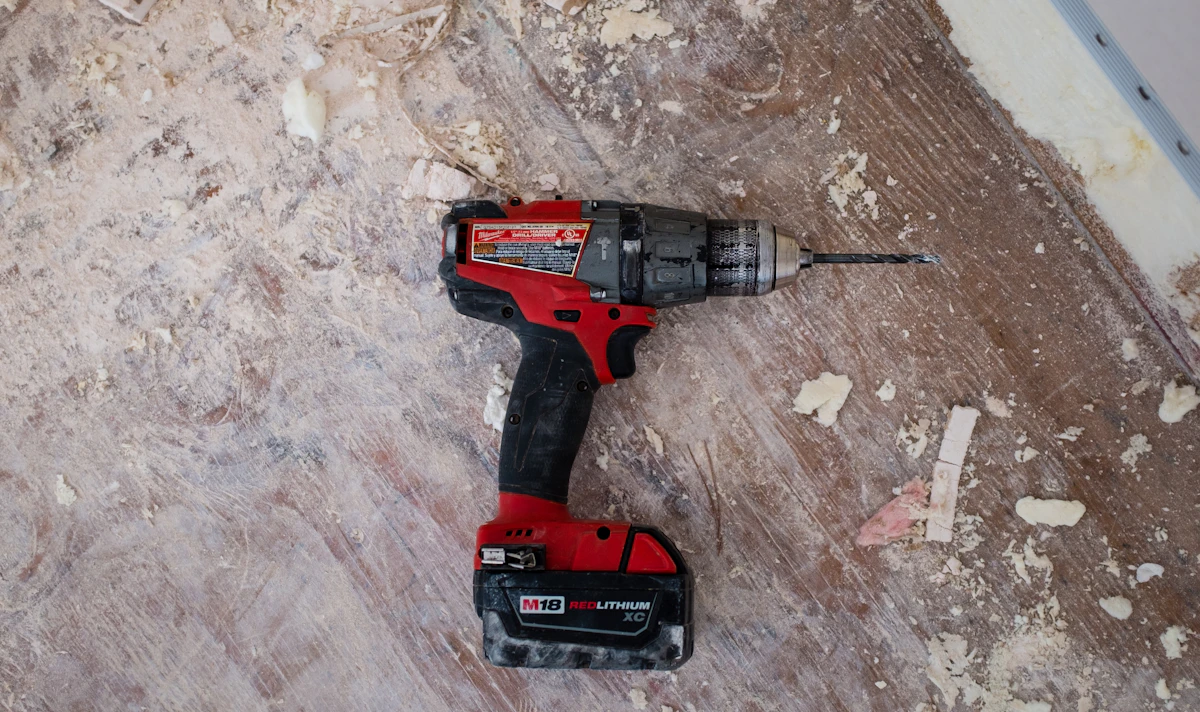
Every maintenance job falls into one of two groups. Planned work is the work you schedule in advance: the annual boiler service, the regular safety checks, gutter clearance in autumn, painting a hallway before it looks tired, and replacing a worn carpet between tenancies. Reactive work is the work that arrives without warning: a leak, a broken lock, a failed shower, storm damage, or an appliance that stops working. A healthy maintenance plan keeps both groups in balance. Planned work reduces reactive work, because serviced equipment fails less often and small faults are caught early. Reactive work never disappears entirely, because houses are used by people and accidents happen, but it becomes rarer, smaller and easier to handle when planned work is done well.
The simplest planning tool is a yearly calendar. Write down every recurring job and its due date, then set reminders a few weeks ahead so you can book engineers in good time. Boiler servicing, safety checks, gutter clearance, garden tidy ups, alarm tests and deep cleans all belong on the calendar. Add seasonal notes too. Autumn is the time to check heating, roofs and gutters before winter. Spring is a good time to look at outside paint, fences and paths after the wet months. Summer, when some rooms may be empty, is often the best window for larger jobs such as painting, flooring or bathroom resealing, because there is less disruption. A calendar turns maintenance from a series of surprises into a routine, and it makes budgeting easier, because costs spread across the year instead of arriving in one painful month.
Safety Checks and Compliance That Must Never Slip
Safety duties are the part of maintenance where there is no room for delay or shortcuts. Gas appliances must be checked by a properly qualified engineer, and the record of each check must be kept safe and shared as the rules require. Electrical installations and portable appliances need regular inspection and testing by competent people, and any fault found must be put right promptly. Fire detection is just as important: alarms in every room where they are needed, tested often, with batteries replaced before they run flat and units replaced when they reach the end of their working life. Fire doors, where fitted, must close properly and must never be wedged open. Escape routes must stay clear at all times, with no storage blocking hallways or exits. These are not chores to fit around other work. They are the duties that protect lives, and they sit at the top of every maintenance list.
Carbon monoxide deserves particular attention in any house with gas or solid fuel appliances. Alarms should be fitted where the guidance requires, tested regularly and replaced when they expire. Tenants should know what the alarm sounds like and what to do if it sounds, and that advice should be given in writing when they move in and repeated in a welcome pack. Emergency lighting, where fitted, needs regular testing so it works during a power cut. Extinguishers and fire blankets, where provided, need checks and servicing, and tenants need to know where they are. It is also wise to check that window restrictors, door closers and thumb turn locks all work as intended, because these small fittings play a real part in keeping people safe. A dated log of every safety check, with the name of the engineer and the result, is worth keeping for every house, and it makes any visit or enquiry far easier to handle.

Damp, Leaks and the Quiet Damage Water Causes
Water is the quietest and most persistent enemy of a shared house. A slow leak under a bath, a cracked gutter joint, a failed seal around a shower tray or a small hole in a roof can soak timber, plaster and flooring for weeks before anyone notices. By the time a stain appears on a ceiling, the damage underneath is often much wider. Damp also feeds mould, and mould affects health, damages belongings and makes rooms unpleasant to live in. Tenants may feel embarrassed about reporting mould, or may assume it is their fault, so it helps to ask about damp directly during walk throughs and to treat every report as a building problem first and a lifestyle question second. Early action is almost always cheaper, and it protects both the house and the people living in it.
Finding the cause matters more than treating the symptom. Condensation, a leak and rising damp look similar on a wall but need different fixes, and painting over a damp patch without finding the source only hides the problem for a few weeks. Condensation often comes from steam, drying clothes indoors and poor ventilation, and it improves with extractor fans that work properly, windows that open, steady heating and clear advice to tenants. A leak needs tracing to its source, whether that is a pipe joint, a shower seal, a roof tile or a gutter, and the source must be repaired before any drying or redecoration begins. Rising damp and penetrating damp need specialist advice, because they involve the structure of the walls and the ground around the house. A good contractor will explain what they found in plain words and show photographs, and that explanation is worth keeping with your records.
Heating, Plumbing and Hot Water Through the Year
Heating and hot water are the systems tenants notice first when they fail, and the systems that cause the most urgent calls. A boiler that stops on a cold evening affects every room in the house, and a house without hot water quickly becomes unliveable. The best protection is the annual service by a qualified engineer, booked well before winter, with filters cleaned, pressure checked, controls tested and any advisory notes acted on. Between services, keep an eye on pressure gauges, listen for new noises, and ask tenants to report anything unusual early, such as radiators that stay cold at the top, a pilot light that keeps going out, or hot water that runs lukewarm. Small signs like these often point to a simple fix, such as bleeding a radiator or topping up pressure, and dealing with them early avoids a breakdown later.
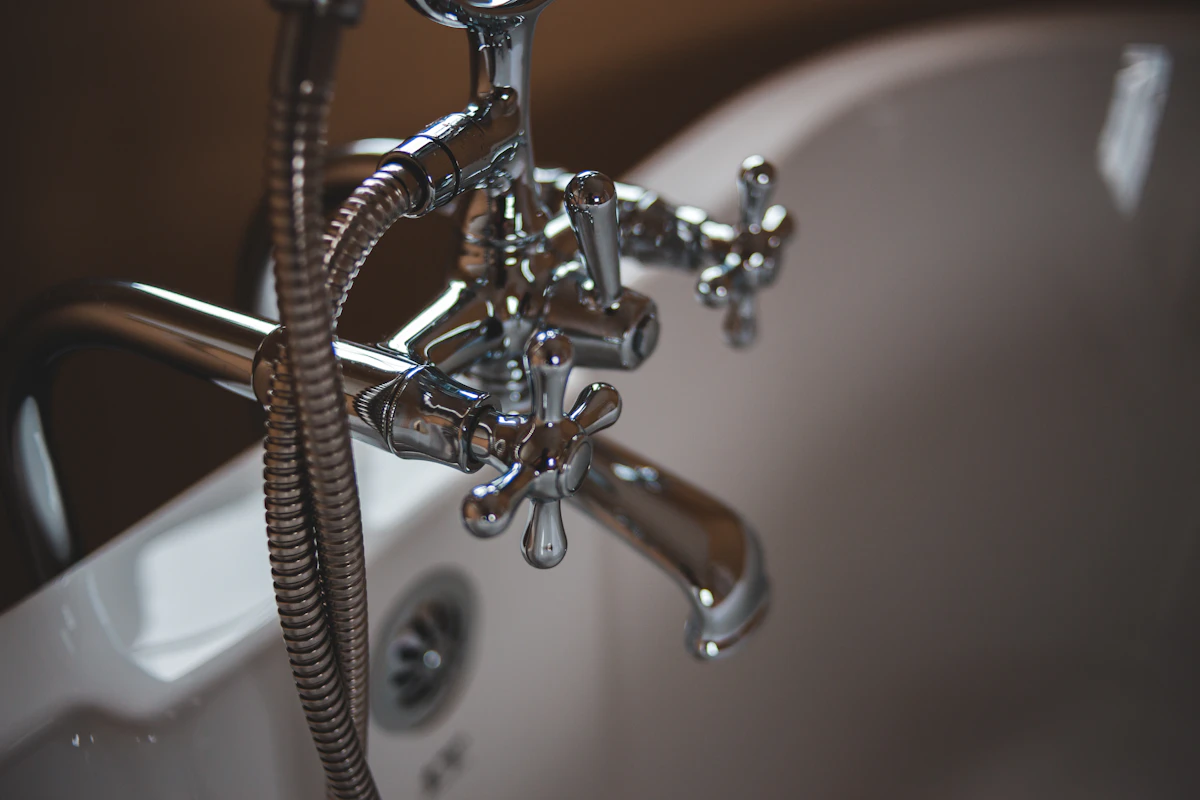
Plumbing needs the same steady attention. Taps that drip waste water and stain sinks, so washers and cartridges should be replaced promptly. Toilets that run constantly waste a surprising amount of water and can mask a fault in the cistern, so they deserve a quick look whenever they are reported. Showers that lose pressure or swing between hot and cold may need a head cleaned of limescale, a cartridge replaced or a thermostatic control checked. Waste pipes and traps under sinks and baths should be checked for slow drainage and smells, which often mean a partial blockage that is easy to clear while it is still small. Tenants should know what must never go down a toilet or sink, and that guidance is best given kindly in writing at the start of a tenancy, with a reminder if a blockage recurs. A little education saves repeated call outs and keeps drains flowing freely.
Kitchens, Bathrooms and the Rooms That Work Hardest
Kitchens and bathrooms work harder than any other rooms in a shared house. Several people cook, wash up, shower and use the same fittings every day, so wear is concentrated and faults show quickly. In kitchens, check cookers, hobs, ovens, fridges, freezers, washing machines and extractor fans regularly, and arrange repairs by competent people rather than leaving tenants to manage with a faulty appliance. Worktops should be wiped dry and kept free of standing water, because water at joints and edges causes swelling that cannot be undone. Cupboard doors, hinges and drawer runners loosen with heavy use and are quick to tighten if caught early. Flooring should be checked for lifting edges and loose tiles, which become trip hazards and let water underneath. A clean, working kitchen with clear storage and good lighting makes daily life easier for everyone and reduces friction between housemates.
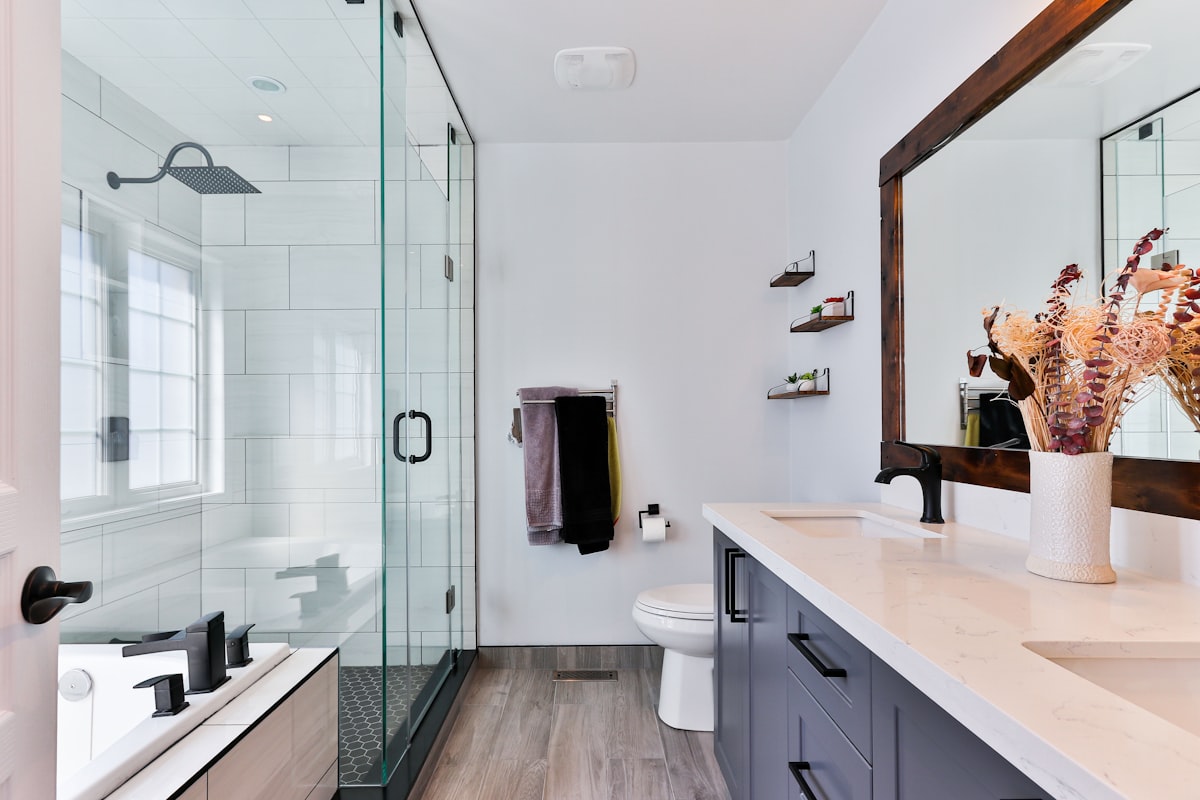
Bathrooms need attention to water above all else. Grout and sealant are the first line of defence, and they should be inspected at every walk through. Cracked grout and gaps in sealant let water reach walls and floors, where it causes damage that is expensive to repair. Showers should be checked for leaks at the tray, the screen and the pipework, and shower heads should be cleaned so spray stays even and pleasant. Toilets should flush cleanly and refill quietly, and any leak at the base or the cistern should be fixed without delay. Ventilation matters enormously in bathrooms, because steam without an escape becomes condensation and mould, so extractor fans must work and windows must open. Towel rails, mirrors, lights and locks should all be checked too, because tenants notice these details every day and they shape how cared for a house feels.

Communal Areas, Gardens and the Outside of the House
Communal areas are the shared heart of the house, and their condition sets the tone for daily life. Hallways, stairs and landings take constant foot traffic, so carpets wear, paint scuffs and handrails loosen. Check stair carpets for worn edges and loose fixings, because stairs are where falls happen, and keep lighting bright and reliable on every level. Smoke and heat alarms in communal areas need the same regular testing as those in bedrooms. Doors should close and latch properly, and any fire door should never be propped open. Storage in hallways must be kept clear, both for fire safety and for easy movement, and a polite note about keeping escape routes clear is better than a confrontation after clutter has built up. A tidy, well lit hallway tells tenants that the house is managed with care.
Outside, the house needs the same regular eye. Walk around the building and look at brickwork for cracks, paint for peeling, windows for cracked putty and failed seals, and the roof for slipped tiles and damaged flashing. Gutters and downpipes should be cleared and checked, because blocked gutters soak walls and feed damp. Paths should be even and free of moss and leaves, which become slippery when wet. Fences and gates should be sound, and any damaged panel should be replaced before it falls and causes injury or a dispute with a neighbour. Bin stores and parking areas should be kept tidy, with clear guidance on bin days and recycling, because overflowing bins attract pests and annoy neighbours. The outside of a house is the first thing tenants, visitors and neighbours see, and steady care there protects both reputation and value.

Working Well With Tenants on Repairs
Repairs go smoothly when tenants know exactly how to report a problem and what will happen next. Give every tenant a simple written guide when they move in, with a phone number and an email address for repairs, and explain the difference between an emergency, such as a major leak, a gas smell, a power failure or a security fault, and a routine job, such as a dripping tap or a loose handle. Ask tenants to describe the problem, say where it is, and send a photograph where possible, because a clear report helps you send the right person with the right parts. Acknowledge every report quickly, even if only to say it has been received and a visit is being arranged, and give an honest timescale. Silence is what frustrates tenants most, far more than a wait of a few days for a non urgent job.
Access arrangements deserve the same clarity. Agree visit times with tenants, give proper notice, and keep appointments whenever humanly possible. If a contractor must be delayed, tell the tenant as soon as you know, and offer a new time rather than leaving them waiting. Tenants should be told whether they need to be present, whether a contractor will need access to a locked room, and whether water, power or heating will be interrupted. After a job is done, ask the tenant whether the problem is fixed and whether the contractor left the area clean and tidy. That short follow up catches incomplete work early and shows tenants that their comfort matters. It also builds a record of completed jobs that is useful if a fault returns and needs a return visit under a guarantee.
Choosing Reliable Tradespeople and Setting a Budget
Good tradespeople are worth their weight in gold, and finding them is a job in itself. Start with recommendations from other landlords, letting agents and neighbours, and check reviews and examples of past work. For gas and electrical work, always confirm the right qualifications and registration, and ask to see certificates before work begins. For general repairs, look for clear communication, tidy work, fair pricing and a willingness to explain what was done. Get quotes in writing for larger jobs, with the scope, materials and timescale spelled out, and compare more than price alone: a slightly higher quote from a reliable contractor who turns up on time and guarantees the work is often better value than a cheap quote from someone who disappears halfway through. Keep a short list of trusted people for each trade, so you are never searching from scratch in an emergency.
Budgeting for maintenance should be steady rather than hopeful. Set aside a fixed amount each month for each house, so routine work, servicing and small repairs are covered without stress, and build a separate reserve for larger jobs such as a new boiler, a roof repair or a bathroom refit. Records from past years are the best guide to how much to set aside, because they show the true pattern of costs rather than an optimistic guess. Track every job with its date, contractor, cost and result, and review the totals once a year. If a particular fault keeps returning, spending more on a lasting fix is usually cheaper than paying for the same repair again and again. Maintenance spending should be seen as investment, not loss, because every pound spent on safety, fabric and presentation protects rental income, licence standing and the long term value of the house.
Final Thoughts
Keeping a shared house in good order is not complicated, but it does ask for consistency. Walk through regularly, note what you see, fix small things promptly, and keep safety work at the top of every list. Plan the work you can foresee, prepare for the work you cannot, and keep clear records of everything that is done. Look after water, heat, kitchens, bathrooms, shared spaces and gardens with the same steady attention, because neglect in any one area soon affects the rest of the house. Work with tenants openly and respectfully, choose tradespeople with care, and set a budget that lets you act without delay. Houses that are managed this way stay safe, stay full and stay valuable, and tenants notice the difference from the first viewing to the last day of their stay.
Start small and stay steady. Book the safety checks, fix the one leak you already know about, and write the next three jobs on a calendar where you will see them. Tenants will notice the change, the house will feel better within weeks, and each season will get easier as the routine takes hold.